If you’re experiencing problems with snap-in dentures in Louisville, we can help. The number and type of implants make all the difference when it comes to implant-retained dentures. Many patients assume that larger, traditional implants automatically mean more stability—but in reality, more smaller, strategically placed mini dental implants often outperform fewer large ones. This key distinction sets the stage for understanding why so many people struggle with traditional snap-in dentures and how mini dental implants solve those issues.
Why “Mini” Is More
At Freedom Mini Dental Implants, Dr. Regan Ackerman helps patients understand that denture problems aren’t just about the dentures themselves—they often stem from the foundation beneath them. Because of the way your jaw is formed, the thicker bone is typically in the front. This is particularly true with the larger, traditional style of implants. With only two, but even four, large implants used for a snap in denture or locator denture supporting an entire arch, traditional setups can’t provide the even support and bone stimulation your mouth needs. By contrast, mini dental implant systems use five to six smaller implants placed precisely across the arch, creating stronger, more uniform support and greater comfort. As mini dental implants require less bone for placement they can go where the traditional implants cannot without additional surgeries, like bone grafting.
If your snap-in dentures feel loose, rocks, is painful, or unreliable, you’re not alone—and these issues usually trace back to how the implants were designed and placed. Let’s explore the most common problems patients experience and how Dr. Ackerman’s mini dental implant solutions fix them.
Problem 1: Dentures That Won’t Stay Put
The most common complaint is dentures that constantly loosen, shift, or pop out at inconvenient moments. This instability makes eating difficult, affects speech, and creates constant anxiety about embarrassing situations. Lower dentures cause particular problems because they lack the palatal arch that upper dentures use to create suction—they cannot simply stay in place reliably on their own.
Traditional snap-in dentures attach to implants or abutments, but stability suffers when insufficient supporting implants are not positioned optimally. Many patients receive only 2-4 implants supporting their lower denture, which often proves inadequate for reliable daily retention.
Mini dental implant services address this problem using 5-6 strategically placed mini implants per arch. This increased number provides superior stability that keeps your denture securely in place during eating, talking, and laughing. The minimally invasive placement procedure creates tiny pilot holes rather than large incisions, making the process far more comfortable than traditional implant surgery.
Problem 2: Bone Loss Continues Despite Having Implants
Many patients don’t realize that inadequate implant support allows ongoing bone deterioration. When you lose natural teeth, your jawbone begins shrinking because it no longer receives stimulation from tooth roots. While implants can prevent this deterioration, too few or improperly placed ones don’t provide sufficient stimulation across your jaw.
As bone loss continues, your denture fit worsens progressively. The ridge that once supported your denture diminishes, creating gaps and instability that compound over time. You’ll need frequent adjustments and relines, yet the fundamental problem—inadequate bone stimulation—remains unaddressed.
Placing 5-6 mini implants per arch distributes stimulation more evenly across your jawbone, helping preserve bone density and maintain your facial structure. The Freedom Mini Dental Implants team understands that protecting your bone health requires adequate implant support strategically positioned throughout your jaw.
Problem 3: Painful Pressure Points and Sore Spots
Even when snap-in dentures stay reasonably secure, many patients develop painful pressure points where the denture rubs against gum tissue. These sore spots make eating uncomfortable and can become infected if not addressed promptly. The problem often worsens as your jaw changes shape and your denture fit deteriorates.
Traditional dentures rely partially on your gums for support, creating pressure that causes discomfort. When you have problems with snap-in dentures in Louisville related to pain and sores, it usually indicates that your denture isn’t receiving adequate support from your implants. The denture rocks or shifts during chewing, creating friction and pressure against soft tissue.
Removable snap-in dentures supported by adequate mini implants distribute forces more evenly, reducing pressure on your gums. The increased stability prevents the rocking motion that causes sore spots, allowing you to eat comfortably without constant irritation.
Problem 4: Difficulty Eating Your Favorite Foods
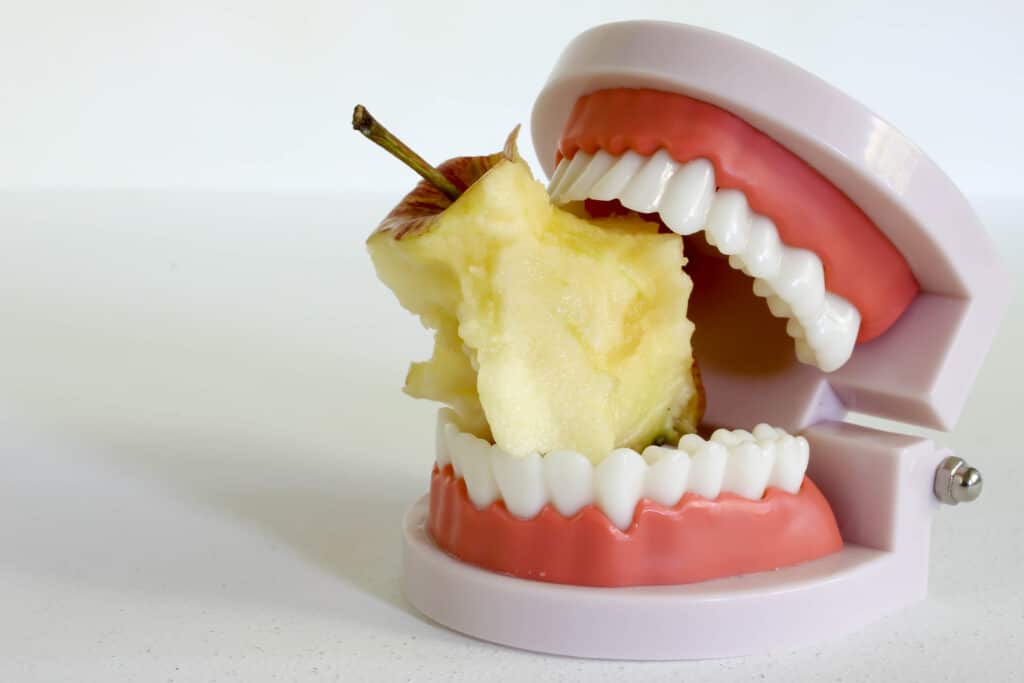
One of the most disappointing aspects of problematic snap-in dentures is dietary restrictions. When your dentures don’t stay secure, you start avoiding foods you love—crunchy vegetables, crusty bread, corn on the cob, apples, and tough meats become off-limits. This limitation affects not just your enjoyment of meals but your nutrition.
The instability that prevents you from eating normally stems from insufficient implant support. Traditional large-diameter implants require significant bone volume for placement, sometimes limiting how many implants you can receive. Additionally, the two-piece design of conventional implants can develop complications that affect stability over time.
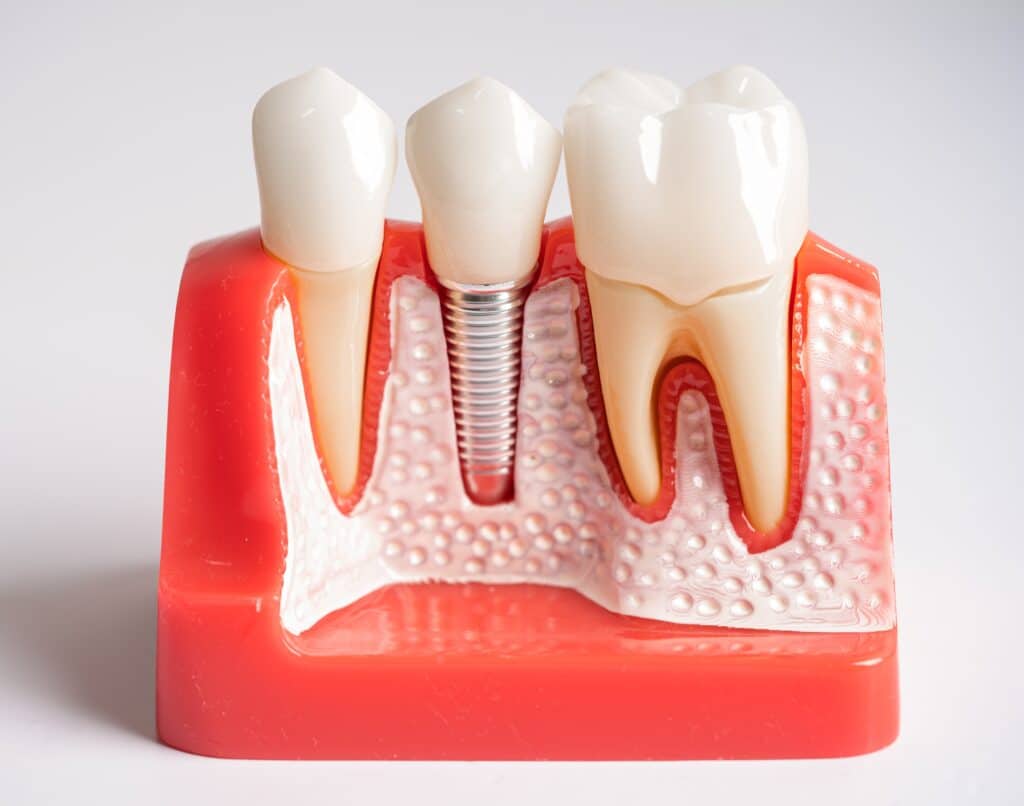
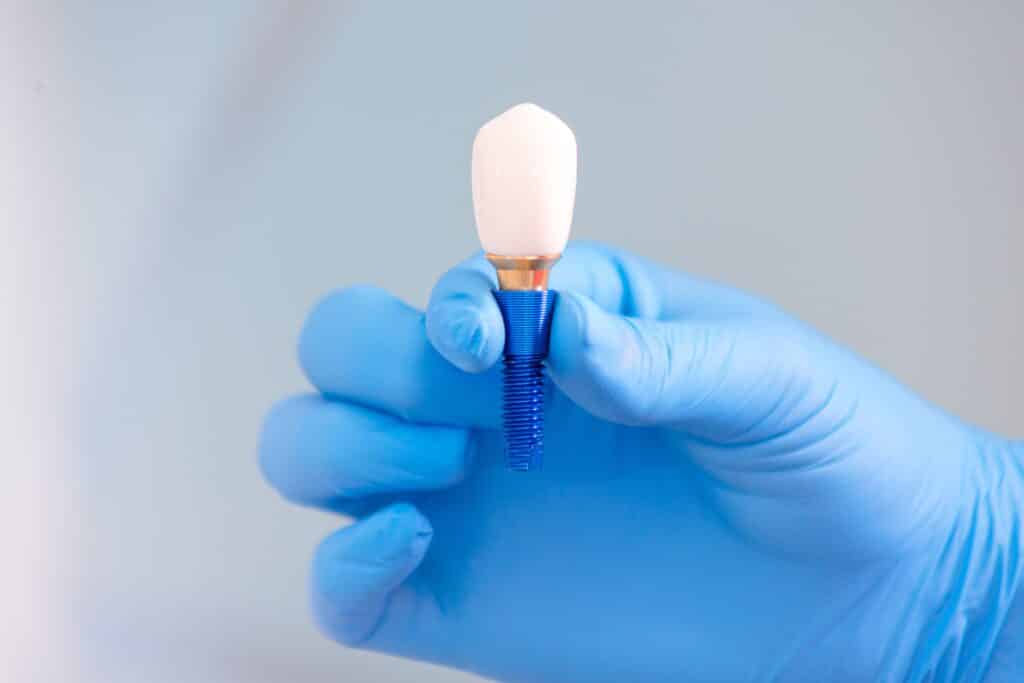
Mini dental implants offer distinct advantages here. Made from surgically pure titanium in a one-piece design, these implants eliminate the connection issues that sometimes plague two-piece implants. Why mini dental implants work so effectively relates to their design—anything less than 3.0mm in diameter qualifies as “mini.” Still, they can maintain the same length as larger implants. This design allows placement in areas where bone width won’t accommodate traditional implants, and the one-piece construction provides exceptional strength and reliability.
With proper mini implant support, you’ll regain the ability to eat the foods you’ve been missing. The immediate loading protocol means you’ll have functional support immediately, either with your existing denture or a temporary denture, allowing you to return to normal eating much faster than traditional implant approaches.
Problem 5: Frequent Maintenance and Adjustments
Snap-in dentures that don’t fit properly require constant maintenance. You’re making frequent trips to adjust the fit, replace worn attachment components, or address loosening connections. This ongoing maintenance becomes expensive, time-consuming, and frustrating—especially when problems return shortly after each adjustment.
These recurring issues often indicate fundamental problems with your implant support system. When you don’t have enough implants properly positioned, no amount of adjustments will create lasting stability. You’re addressing symptoms rather than the underlying cause.
Dr. Ackerman’s approach using mini dental implants provides a more stable solution. The minimally invasive placement procedure requires only tiny pilot holes rather than incisions or flap surgery, promoting faster healing and less post-procedure discomfort. Once your mini implants integrate with your bone, they provide stable, long-lasting support, dramatically reducing maintenance needs.
Understanding Your Solution Options
If you’re experiencing problems with traditional snap-in dentures, you have options for improvement. Adding more mini implants to your existing setup can dramatically improve stability and function. For patients with traditional large-diameter implants that aren’t meeting their needs, mini implants can often be placed in additional locations to provide the support they lack.
During consultation, Dr. Ackerman evaluates your situation, examining your current denture, assessing your bone structure, and discussing your concerns. He then explains exactly how many mini implants you’ll need for optimal results—typically 5-6 per arch—and how the minimally invasive procedure works.
Financial considerations matter when you’re investing in improving your quality of life. Freedom Mini Dental Implants offers various payment options that make treatment accessible, helping you get the stable, comfortable denture support you deserve without financial stress.
No Problems with Snap-In Dentures in Louisville
Living with problematic snap-in dentures unnecessarily compromises your quality of life when better solutions exist. Mini dental implants provide the stability, comfort, and functionality you expected from your snap-in dentures but never quite achieved. Dr. Regan Ackerman’s expertise in mini implant placement has helped countless Louisville patients overcome these frustrations and regain confidence in their smiles.
Contact Freedom Mini Dental Implants to schedule your consultation with Dr. Ackerman. During this appointment, you’ll discover how mini dental implants can transform your experience with dentures, giving you the secure, comfortable fit that lets you eat, speak, and smile confidently.